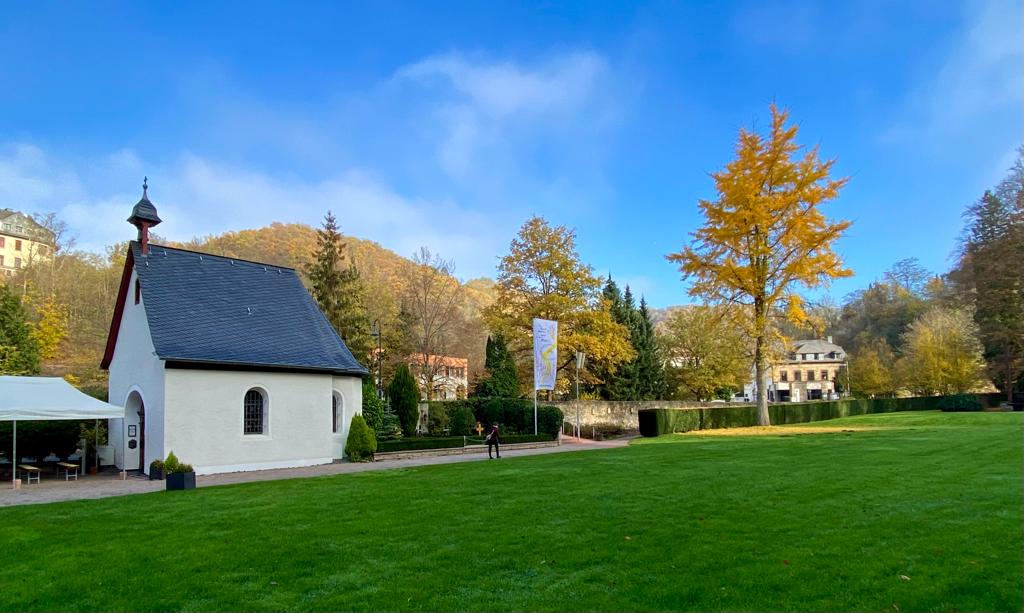
By Laura Pérez Vázquez-1ºB Bachillerato
The school Eucharistic Adoration sessions are one of the most beautiful and meaningful
activities we have. They are special moments that allow us to stop for a while, leave our daily
worries behind, and focus on what truly matters. Every time we gather together for
Adoration, there is a sense of peace and unity that is difficult to find anywhere else.
Read more →
Internacional
Why English is important in today’s job market
By Lucas Martinez García-1ºB Bachillerato
Have you ever wondered why so many employers ask for a
good level of English?
Nowadays, English is one of the most important skills in the
job market, and it can make a big difference when looking for
a job.
Read more →
STUDENT’SEXCHANGE WEEKIN GERMANY
By Irene Chico García-1ºA Bachillerato
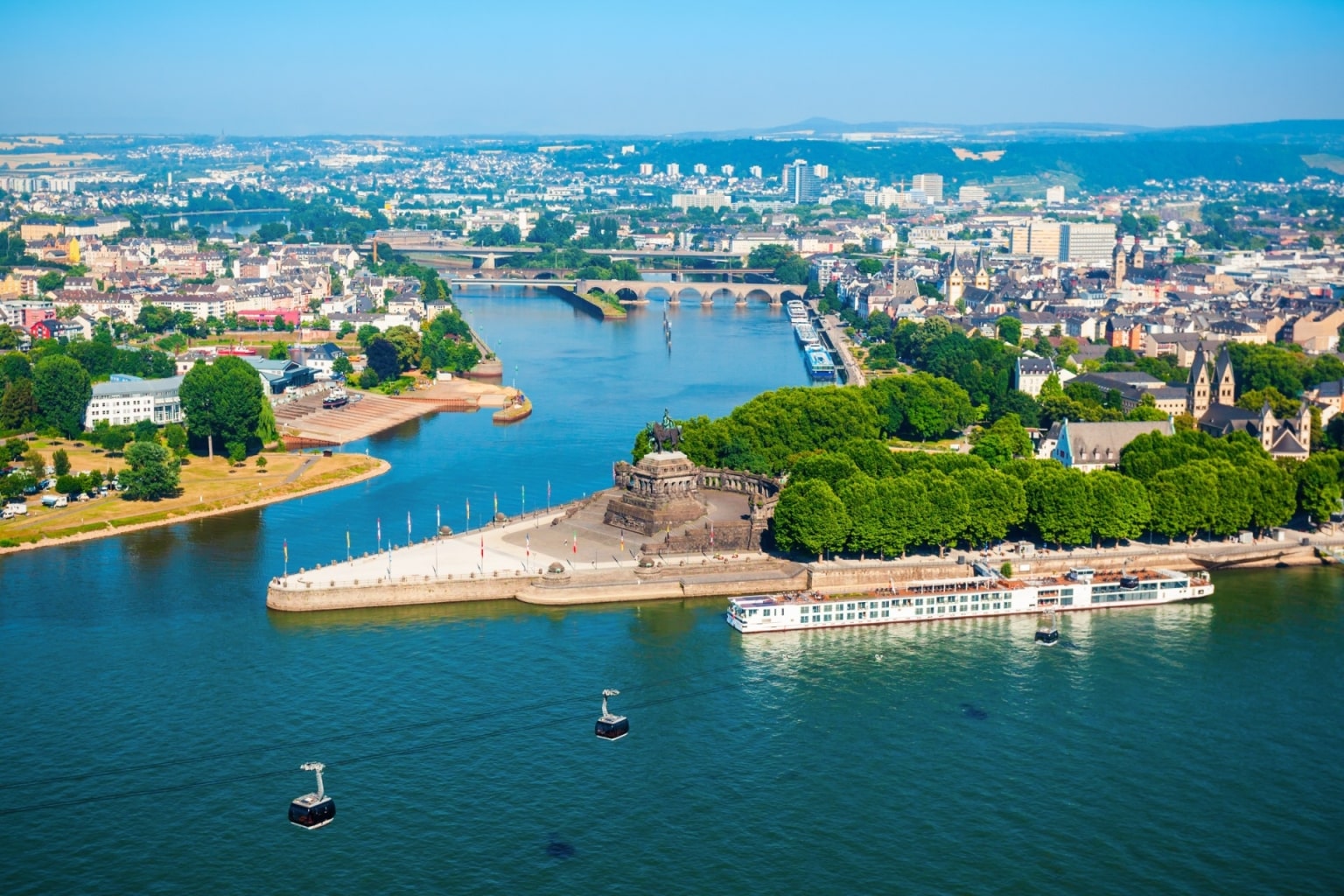
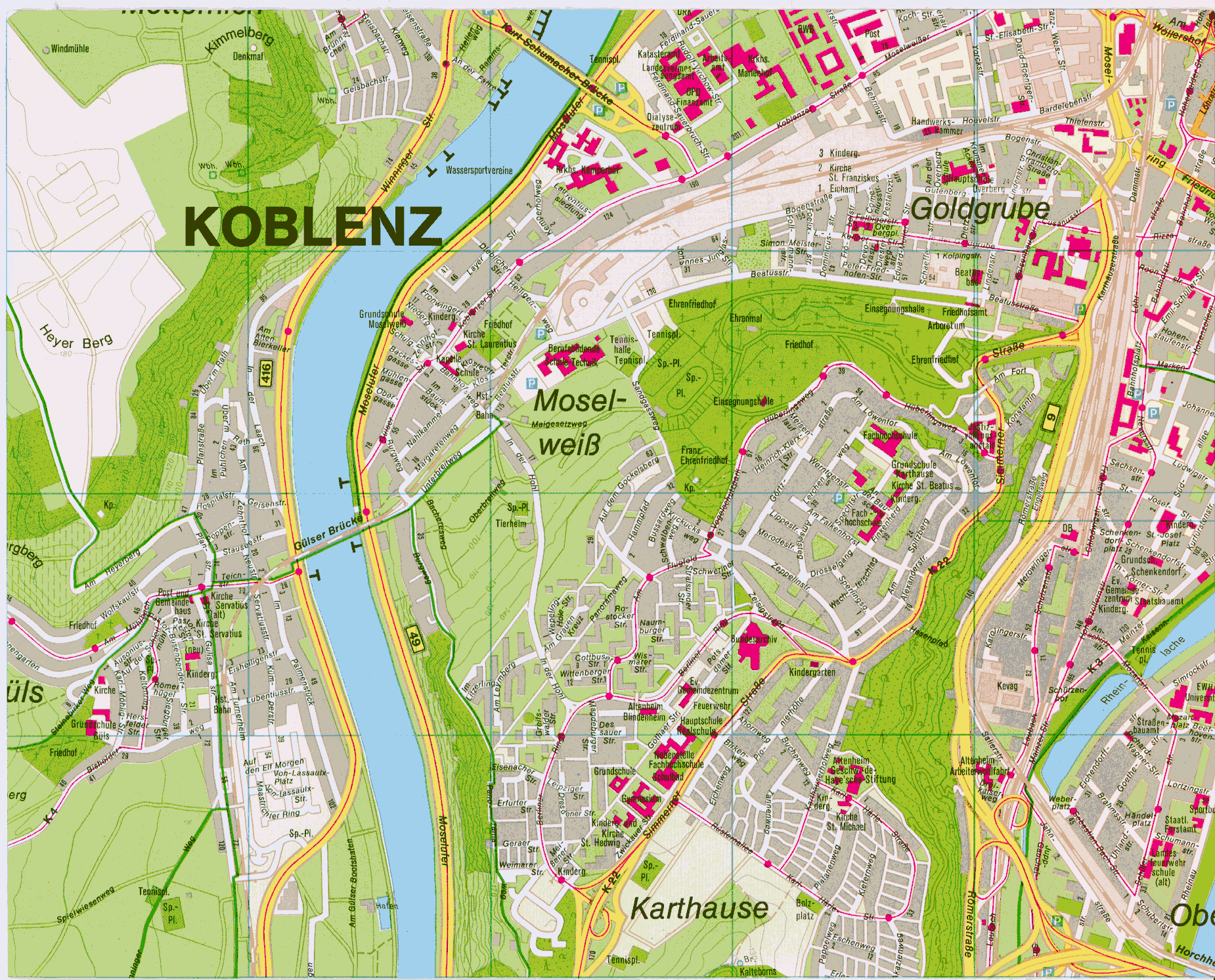
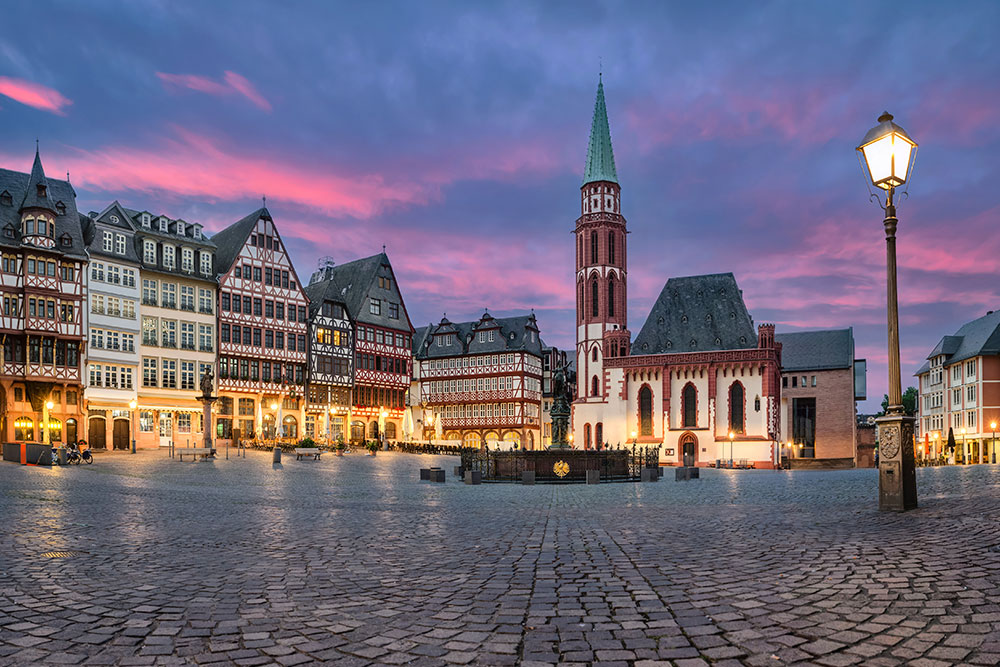
During student’s time at school they get stuck in homework, studies, grades and don’t get much time to
hang out with friends and relax. Their lives become a loop surrounded by boring classes and subjects, but in
some schools, like in Monte Tabor, a studentsexchange week, is organized, in which students that take
German as a subject go to Germany forone week, they stay in a German student’s home, and welcome, for
another week the same student.
This experience gives us the chance to get to know new people such as your own change student and its
friends; in my personal experience my friends and I got the chance to have a group with the German girls,
and we still talk and get in touch if they come here. Also, you don’t only meet people, but also you get the
opportunity to learn about other cultures and to practise your second and third languages.
Read more →
Interview with the School Principal
by Candela Grau Toro-1ºA Bachilleraro
Today we speak with Mrs. Ruth Crevillén, Principal of Monte Tabor School. Holding a long
history at the centre, she explains to us how the school works on a day-to-day basis, what makes
it different and what the great challenges that education faces today.
Question: What is your main role at the school, and what do you do on a day-to-day basis?
Answer: My primary role is to ensure that the school's ethos and values are upheld and to
define the strategic direction we need to take. This involves coordinating the heads of each
educational stage and personally looking after every teacher, family, and student. I strive to
nurture the school's spirit: maintaining a family-like atmosphere, preserving our "education
through the environment" approach and keeping the campus in optimal condition.
Additionally, I am also responsible for overseeing the financial management of the institution.
Q: Did you ever imagine that you would end up leading the school?
R: To be honest, no, I never would have imagined it. What I am truly passionate about is the
daily life of the school and direct contact with the students.
Q: What do you enjoy most about working with the students?
R: What fulfils me the most is being able to discover the uniqueness of each student. Having
the opportunity to touch their lives, witnessing how God plays a part in each of their stories
and managing to bring out the very best in them. Being able to educate them and unlock
their full potential is, without a doubt, what I love most about my profession.
Q: What do you consider to be your greatest achievement so far?
R: That is a good question, though I think that is for others to judge. From my perspective, I
believe the greatest achievement is seeing the school continue to grow. Not just in terms of
student numbers but also in the embedding of its values, its internal cohesion and above all
the strengthening of that family spirit that defines us.
Q: Where do you see the school five years from now?
R: Five years from now, I see our project deeply consolidated around our core model: an
organic model at the service of the individual. I envision a school that is genuinely consistent
in word and deed, an institution capable of transforming its surroundings through its own
students. All of this is backed by an academic excellence that is not generic, but rather
stems from acknowledging the perspective and uniqueness of each student.
Q: What sets this school apart from others?
R: Without a doubt, it is the way the teachers look at the students. That personalised care,
the commitment to making them feel unique and unrepeatable and convincing them that they
can go much further than they ever thought possible.
Q: Finally, what is the biggest problem facing education today?
R: The greatest challenge today centers on authority. Nowadays, many families have
stopped trusting the authority of the school and the teacher. It is extremely difficult to
educate a student if they look at their teacher without admiration, without seeing them as a
role model or a figure of reference.On the other hand, there is the challenge of getting
students to actually want to put in the effort. We live immersed in a culture of relativism
where it seems like nothing matters. The great challenge is managing to awaken in students
the desire and the willpower to do things well for themselves.
Personal experience
Buy Alba la Hoz Arminio- 1ºA Bachillerato
Throughout our lives, there are places that become a part of who we are. For me, one of those places is Monte Tabor School, where I studied from the age of two until high school graduation.
After so many years as part of this family, I can say that it has been a very enriching experience, both academically and personally.
One of the aspects I value most about the school is that it supports its students throughout all stages of their development. From preschool to high school graduation, this allows students to forge strong bonds with both other students and the teachers. This creates a family atmosphere where students feel safe and supported.
Furthermore, I believe this school stands out for its commitment to education. The school is not only concerned with academic results, but also with instilling values such as respect, responsibility, effort, empathy, love for others, and constant self-improvement. These principles have been present throughout my school years and have contributed to my development as a person.
Another strength is the dedication of the teaching staff. Over the years, I have had the opportunity to learn from very different teachers, but they all have something in common: they not only have a perfect command of their subjects, but they also show interest in the well-being and progress of their students. Personally, I have always felt very supported during difficult times, and I felt comfortable enough to confide in the teachers I needed to. They have always welcomed me with open arms and responded with understanding, without ever focusing on my academic results.
Furthermore, the school offers numerous activities that enrich the students' education. Excursions, projects, and sports and cultural activities allow for learning in a different way and foster the development of skills that go beyond the classroom. For example, biology students participate in activities to better understand the workings of the human and animal bodies in the laboratory, economics students visit the stock exchange, and arts students participate in activities with NGOs like Caritas. This reinforces the values upon which the school's dedication is based.
Although the Baccalaureate program is private, while the earlier stages are public funded, the educational objective remains the same: to provide a quality education that prepares students to successfully face the challenges of their academic and professional future.
In conclusion, my time at Monte Tabor School has been a very positive experience. After so many years as part of it, I can say that it has not only provided me with knowledge but also with values, friendships, and memories that will stay with me always. For all these reasons, I believe it is a school that leaves a very positive mark on those who have the opportunity to study there. Every person who passes through this school also leaves their mark, since students finishing high school become "alumni" and continue to attend certain school activities such as the Christmas carol competition or the school festival. This fosters for life relationships between teachers and students who will always have an impact on each other’s lives, building tradition as their offspring is joining the school.
Personal opinion
1.School Uniforms
Most school students generally prefer to wear the school uniform,
because that way they don't have to think about what to wear the
next day. In fact, I'm one of them, because it's not uncomfortable
and it's true that we don't have to stop and think about what to wear
to school.
2. Homework
Students like to say that homework is unnecessary or that they
shouldn't be given exercises to do at home. My opinion on this, and
that of many of my classmates, is that homework is clearly
necessary to practise exercises that are likely to appear on exams,
but teachers shouldn’t send too many.
3. Technology
Technology is one of the main topics of debate in schools today.
Students generally think that if computers can be used at school,
why not mobile phones too? It's true that students could do other
things they shouldn't during moments of concentration, but they can
do the same things on computers as they can on mobile phones. In
my opinion, students should stop using mobile phones for
immediate help without having to go and find a computer to resolve
a question or anything else.
4. AI and Education
AI is clearly a very necessary tool for students; however, it often
presents a problem because students solve many of the homework
assignments using AI, and then when the exam comes, they don't
know how to do the same exercise. Therefore, AI is good and a
necessary tool in schools up to a certain point and this is properly to
used
5. Exams and Stress
Exams are the main culprits behind student stress throughout the
course have to spend a lot of time studying only to sometimes not
reach the expected grade, or a grade that, given the time we';ve
dedicated to it, we should have achieved. Therefore, it's
recommended to keep up with all subjects to avoid this and feel
more relaxed during the course.
6. Social Media
Most students are very integrated into their classes and therefore
we all get along very well in general. This is an advantage we have
because it allows us to relax, whereas before, when we were
younger and a little self-conscious about where we sat in class.
Now this doesn't happen and we don't care much who we sit with in
class because we're going to get along well with any classmate
anyway.
Learning a Third Language, More Than Speaking.
By Catalina Martín Oliveros-1ºA Bachillerato
We tend to think that something is only worth it if we achieve exactly what we had in mind.
By only focusing on the direct benefits of our actions, we forget the factors that happen
around them
I am doing this because I want this specific outcome… but what happens when we don’t
achieve it? What happens when we don’t get our dream job or the grade we thought we
deserved?
At that point we give up on that clear goal without even realising that those external factors
we had been ignoring have also been influencing us, helping shape who we are today.
Something similar happens with languages. If we are not able to hold a conversation with a
native speaker, we often think that the effort made was not worth itor that our level is below
useful. However, learning languages can also provide us with many other skills.
Learning English today is almost a necessity, while learning a third language can offer
something slightly different
In our school, we are given the option of learning this third language: German.
From the first year of secondary school until we leave, we have the opportunity to study this
subject. Through lots of exams, activities and even an exchange, we gradually reach a certain
level. It requires effort and work, and therefore it may seem anything but interesting to some
students.
A clear example is the exchange. During a few days, we leave the classroom behind and face
real-life situations. That is when we truly realised that language is not only a tool for
speaking but also a way of thinking, living and expressing ideas. The way we name things
and use words influences how we perceive and relate the world, which is why this knowledge
allows us to approach various ways of thinking.
In conclusion, this learning should not only be measured by level or usefulness. Perhaps not
all of us will end up speaking German perfectly, but what truly matters is what we learn along
the way, in this activity and in any of our lives.
High School Graduation.
By Álvaro Pérez Unzurrunzaga-1ºA Bachillerato
The second-year baccalaureate students have just graduated and ,although it may seem
that everything is already done, the last effort still remains: the EBAU, a moment for which
they have been preparing for 2 years. From here we want to wish them good luck and that
they don't worry, because they will do great.
As for the event, this is one of the most important and exciting ones of the year at this
school. As usual, it has been held in the auditorium, where speeches from the students and
tutors could be heard as the graduation progressed, accompanied by a video remembering
all the stages of the class during their time at the school, ending with a cocktail where
students, families and teachers were able to enjoy a snack while chatting and commenting
on anecdotes about the school year.
This event is also one of the saddest because we will not be able to enjoy the company of
this class anymore at school, but from here we wish them good luck in their new stage at
university.
Are You Ready to Speak Your Mind?
By Belén Alegre Transpaderme-1ºA Bachillerato
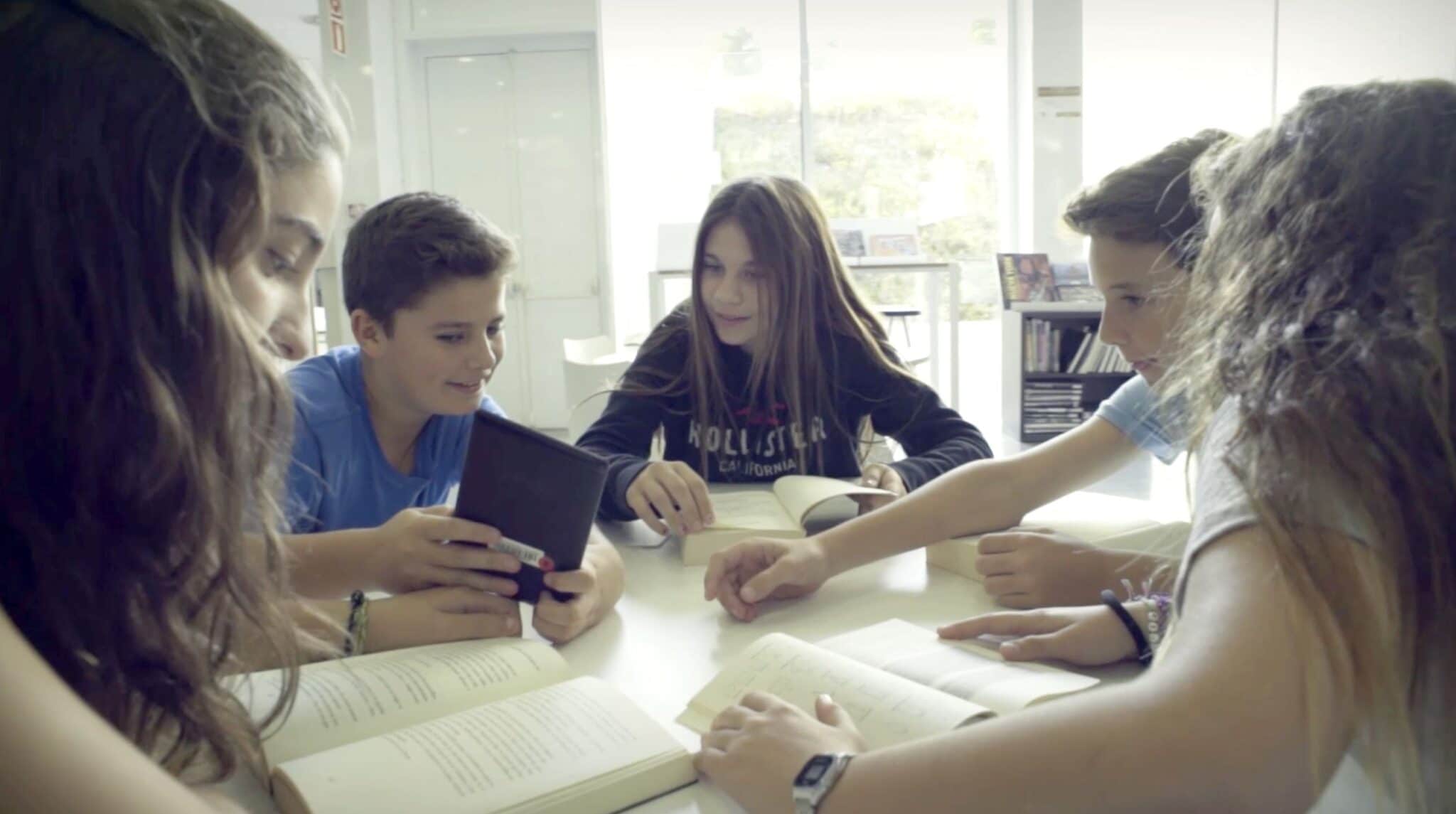
Have you ever finished a book and instantly wanted to discuss it with your friends? If so, the
Language Department at Monte Tabor School has launched the perfect project for you: "Las
Tertulias Literarias" (Literary Circles).
It is very simple. First, you form a group with your friends. Then, instead of searching for a
book on your own, the Language Department will provide a special list of titles, and each
team gets to choose their favourite from it. After reading it, you gather to share your opinions
and explain how the story made you feel.
The grand finale is a live presentation to the school's Language Council. But don't worry!
This is not a boring speech; it is a natural, flowing conversation where you and your
teammates debate the book like in a real talk show.
Best of all, the school is making things easier for us: successfully participating will add an
extra 0.5 points to your final Spanish Language and Literature grade! Why miss this chance
to boost your average while having fun? Find your crew, pick your book from the list, and
secure that extra grade!
The University Entrance Exams in Monte Tabor
By Asdrúbal Ferreiro Cuartero– 1ºA Bachillerato
Every year, thousands of students in Spain take the university entrance exams, University
Entrance Exams, also known as PAU. These exams are very important because they
determine whether students can enter university and study the degree they want.
One of the main advantages of the PAU is that it encourages students to work hard during
Baccalaureate. In addition, the exams help universities select candidates according to their
academic level.
However, the exams can also create a lot of stress and pressure. Many students feel nervous
because a single exam may affect their future opportunities. Furthermore, some students think
that the results do not always reflect their real abilities or effort during the school year.
Another controversial issue is that the PAU is not exactly the same in all Autonomous
Communities. Although the exams are based on the national curriculum, the format,
difficulty and grading criteria may vary from one region to another. As a result, some people
argue that students do not compete under equal conditions when applying for university
places. This debate has led to calls for a more unified examination system throughout Spain.
The differences between regions have also contributed to the migration of students from other
Autonomous Communities to Madrid. Many students choose to move there because the city
offers a wide range of universities, degree programmes and academic opportunities. In
addition, Madrid attracts students who believe they may have better chances of accessing
certain courses or finding future employment. This movement of students has increased the
diversity of university campuses, although it has also raised concerns about housing costs and
competition for places.
Despite these disadvantages, the PAU continues to play an important role in the Spanish
education system. Most students prepare for months in order to achieve good marks and
access their preferred university courses.
In conclusion, university entrance exams are both challenging and necessary. Although they
can be stressful and sometimes controversial, they provide students with the opportunity to
continue their education and achieve their professional goals.
The Ron Clark story film review
By Óscar García Gasent -1ºB Bachillerato
The Ron Clark story is a really nice family movie, as it deals with various topics
related to how to educate teenagers. Throughout the film, Ron Clark shows the
public that when something seems impossible there is always a different approach
we can take, highlighting the importance of not giving up.
At the beginning of the movie Ron Clark is presented as a teacher bored from
teaching the same children, as they are always well behaved. For that reason, he
finally ends up moving to New York in search of a new challenge. At first he didn't
find anything but after searching for a long time he finally found a place to work. This
is where Ron Clark's story begins.
Have you ever watched a film that surprised you? That’s exactly what happened to
me with The Ron Clark story, a wonderful drama which I saw two weeks ago. But
one of the things I liked the most was how the actors played their roles. Matthew
Perry played Ron Clark, showing that in this world there are people who really need
our help even when they don't show it. Another actor I liked as well was Hannah
Hodson playing Shameika Wallace. Personally, this role was the best one because it
reflects the evolution of the behaviour of the whole class. At first she was naughty
but then, she became one of the best students of all school.
To sum up, this movie is one of the most emotional movies I have ever seen and, as
previously mentioned, I really recommend it to all the public because it really makes
you appreciate society nowadays.
Creative corner
By Rocío López Iza-1ºB Bachillerato
"They have touched hearts".
As time goes by, fewer and fewer people are interested in poetry, especially young people. The art of poetry could be considered a misunderstood art. Sometimes it's hard to understand something that doesn't interest us. But really, for us students, poetry can be a very good method by which to express our feelings. We can clearly see it in this short and beautiful poem:
The Weight of the Year
Late nights, deadlines, tests to face,
Always running, keeping pace.
Pages filled and hours gone,
Working hard from dusk till dawn.
Stress and pressure, day by day,
Yet still pushing on the way.
Now the school year’s at an end,
And all that effort starts to mend.
Through this poem, we can see how, thanks to poetry, we are able to express the anxiety and feelings that we, the students, have throughout the whole school year.
It is never good to keep things to yourself and hide who you really are! Write poetry and get your problems out of your head, put them down on paper!
Don’t stay at home this summer!
By Carla González del Río-1ºA Bachillerato
Most students spend their summer holidays doing the same things: watching films, going to the swimming pool and spending hours on social media.
Sometimes this feels boring and repetitive. However, summer is the perfect time to step out of your comfort zone and try something different.
If you want to make this summer unique and exciting, here are some creative plans to try something new and enjoy the holidays.
A global gastronomy night
If you are looking for a plan that combines food and culture, you should organize an “International dinner” with your friends.
The idea is simple: each person is assigned a different country and they must bring a traditional dish from that place.
In addition, if you want to make it more exciting, everyone has to dress up in a costume of their assigned country.
This activity is so good because of the food and also because you will learn about different cultures.
In the end, you will have a special night with your friends, with original photos and delicious food, which is far better than just going to a regular restaurant.
The time capsule project
Have you ever wondered what your life will be like in 10 years?
If you want to collect memories for your future self, this plan is perfect for you!
A time capsule is like a message in a bottle for yourself. It’s a very cool way to remember your friends,
your tastes and your experiences from this summer
You only have to find a good box; for example, a shoebox is perfect. Then, you should think about what you are going to put inside. The idea is to include things that represent your life right now, like a letter to your “future self”, photos, a poster of a festival or a concert…
Write on the box “DO NOT OPEN UNTIL 2036”. Then, hide it (for example, under your bed, but don’t forget where you hid it!) and just… wait until 2036!
DIY Cinema plan
Who doesn’t like watching movies with friends? Everybody loves that! But instead of the typical plan, I have a super creative idea for you!
Creating a DIY summer cinema is one of the best plans for the holidays. It’s a very original idea because you can do it in a garden, on a balcony or even inside your house. The best part is that you don’t need to spend a lot of money to have a great time with your friends or your family
First of all, you have to think about the screen. You can use a large white sheet, this is where you will watch the film. Also, you need a projector and a speaker.
Second, the space: It must be comfy enough to enjoy the experience. You can put many things on the floor, for example, big pillows and blankets. If you are outside, you should use some candles or small lights to see.
Finally, to make the night special, you should think about food and drinks. Obviously, popcorn is essential. But to make it more fun, the dinner can be related to the movie! If the movie is set in Italy, you can eat some pizzas.
The cooking challenge
If you love cooking and competitions, this is the perfect summer plan for you and your friends. This plan is an original way to have fun without spending a lot of money. The goal is to cook a delicious meal using only 5€ for the ingredients. If it looks expensive, it’s better!
First, you have to go to the supermarket. Everyone has the same budget, so you have to be very clever and careful. You should look for offers. The rule is that you can’t buy pre-cooked food, you must cook it yourself.
Second, it is time to cook! To make it more exciting, you can set a time limit, like 1 hour. The presentation is essential. Then, you should give the meal a professional name like “Golden Pasta”
Finally, everyone eats the food and votes for a winner. You can judge the flavor, the creativity and the presentation. I have some ideas for the meals! For example, you can buy some pasta, one egg and cheese to make a “luxury” carbonara; or you can prepare an original dessert with Greek yogurt, honey, walnuts…

Don’t stay at home this summer! Step out of your comfort zone and try, at least, one of these wonderful ideas, or try all of them!! You won’t regret it. In case you want some recommendations, I love the
plan “International Dinner”. It mixes delicious food, learning about other cultures and having time with your friends!
Trip to Lourdes
By Lola Espa Lage-1ºB Bachillerato
Last year, thanks to our school, we had the opportunity to take part in a trip to Lourdes. It was one of the best experiences I have ever had as a student, and I am truly grateful that our school made it possible.
When we arrived, none of us really knew what we were about to experience. The candlelit processions, where hundreds of pilgrims walk together holding their candles through the night, were truly breathtaking. As a class, we felt a genuine closeness to God that we had never experienced in the same way before. Standing together in that sacred place made our faith feel real and alive in a way that surprised many of us.
What struck me most, however, were the emotions. There are feelings you experience in Lourdes that you simply cannot explain: a sense of peace, calm, and something greater than yourself that comes over you without warning. I felt it too, in a way I had never felt before.
In my opinion, every student should have the chance to experience something like this. It broadens your perspective and reminds you that some experiences go far beyond what words can describe. None of us came back the same, and I think that is exactly what a truly special trip should do to you.
Missionay Week to Alcuéscar
By Gabriela Costoso Martín/ Asdrúbal Ferreiro Cuartero-1ºB/1ºA Bachillerato
Every year, our school organizes a missionary week in Alcuéscar. It is always a unique
experience. We spend a week helping others and meeting people who may feel lonely or are
facing tough situations. This experience really impacted me because it highlighted the
importance of caring for others and spending time with them.
One of my favorite activities was visiting the elderly in the nursing home. We talked with
them, listened to their stories, and played games together. It was wonderful to see how
happy they were to spend time with us, and we enjoyed it just as much. Their kindness,
strength, and positive attitude were very inspiring.
Another memorable part of the week was Eucharistic Adoration. Everyone was silent,
reflecting and praying for the people we had met. The atmosphere was peaceful and
beautiful, which made me feel calm and grateful. It was a moment that allowed me to think
deeply about everything we had experienced.
I believe the school could improve the experience next year by giving students a bit more
free time to explore the town and spend time together. Overall, the missionary week in
Alcuéscar taught me a lot about empathy, kindness, and the importance of being there for
others. It is an experience I will always remember.
Trip to Rome
By Rihana Jegede Garrido-1ºB Bachillerato
Our Historical Journey
Rome is more than just ruins; it's the backdrop to our graduation memories. This journal captures the highlights for our class trip, balancing the iconic landmarks we’ve been waiting to visit with the authentic Roman lifestyle we are excited to experience together. It's an opportunity to explore the history of this vibrant city at our own pace.
From classroom theory to reality: walking the same paths as the emperors. These are the foundations of our final high school adventure
- The Colosseum and the Arch of Constantine
- The Roman Forum
- The Palatine Hill
Class Highlights & Memories
Rome is an open-air museum where every corner tells a story. To truly understand its majesty, bonding as a class in the places we've dreamed of visiting since 4th ESO.
Discover the soul of the city through its most iconic landmarcks
The world's smallest state. Home to St. Peter’s Basilica and the breathtaking Sistine Chapel.
An ancient masterpiece. Famous for its massive dome and the open oculus at the top.
A journey through time. Explore the world's oldest public museum and its legendary Roman statues.
- Centro Storico & Spanish Steps
The city's vibrant heart. Perfect for wandering narrow streets and enjoying the view from the steps.
A city this big can be overwhelming, but we’re tackling it together. We’re trading typical tourist rush for shared
moments: slow mornings, coffee breaks in the sun, and the excitement of finally finishing our school years in the
Eternal City.
From our first shared steps in Lourdes to our final chapter in the heart of Rome. A journey of growth,
discovery, and memories that will last a lifetime.
Looking back at our first big adventure in 4th ESO, where it all started.
The final destination of our high school years, exploring the roots of history
together.
More than just sightseeing; it’s about the bond we’ve built as a class.
From the sanctuary of Lourdes to the Colosseum, growing through every step.
Debate Contest
By David Ana Rosca- 1ºB Bachillerato
The aim of this report is to provide an overview of 1st Baccalaureate students' experience in the
debate contest that took place in Francisco Vitorias’ college in April 2026.
This reports outlines the preparation, progress , setbacks, lessons, etc.
Work behind
Throughout the 3 months we had been working on preparing the debate, we attended debate
training and stayed at school after hours in order to organise our roles in the contest. Our team,
led by our philosophy teacher Mr Iñigo, prepared the arguments for and against during this
period of time. We also conducted extensive research looking for reliable sources of information
and useful resources for the contest. Taking into consideration the strengths of each team
member we distributed the roles so that those who were more comfortable arguing and
improvising in the moment could stand out doing the arguments and rebuttals. Since it was the
first time we had ever participated in a debate contest the process was quite demanding and time-consuming.
The Debate Day
Despite all the challenges and setbacks the team made it into the contest proud of its effort and
hard work. We were quite nervous because of our lack of experience but we managed to
perform well. Once we were there, we started reviewing our speeches and practising in the
canteen and encouraging each other in order to remain as calm as possible. In our first debate
we faced an experienced team which forced us to do our best .Although we lost , our teacher
couldn't have been prouder of us. Ironically , our team won the next debate despite not having
performed as good as supposed.
The next day, an unusual event happened: the opposite team didn't show up. In the end we
didn't qualify for the knockout rounds. However , we enjoyed the experience and are definitely
looking forward to repeating it in the future.
Challenges and setbacks
Throughout the process we faced lots of difficulties. The main setback was related to our lack of
experience. We had never prepared a debate before. Our teacher, Mr Iñigo, had to guide us
considerably. Looking for specific and reliable evidence to support our arguments was not easy
at all. Furthermore, elaborating the arguments and thinking about the most original and
unpredictable arguments was a complicated task. Another issue was that in spite of having
worked on the debate for several days, we had not finished everything until the last day. This
situation made the process a little bit stressful.
Lessons learned
Taking into account everything already mentioned, as a team, we not only gained valuable
experience but also learned numerous lessons that will be useful in the future. Through working
together as classmates , learning how to communicate confidently in public, how to search for
reliable sources of information on the internet and committing to such a project, we realised that
these lessons would not be merely temporary. This experience was eye-opening for all of us
and truly made us become a better version of ourselves.
Photomath
By Reyes de Lucas Berenguer-1ºA Bachillerato
Photomath is a photography contest organised by the school that combines creativity,
observation, and mathematical knowledge.
Participants, who are students of the school Monte Tabor Schoenstatt, must capture images
that present mathematical concepts and show how this discipline manifests itself in real-life
situations.
Photographs should be sent to the following email address:
concursomatematicas@colegiomontetabor.es
There are two different categories:
-Category I: 1st, 2nd, and 3rd year ESO students.
-Category II: 4th year ESO students.
Each person takes an original photograph and accompanies it with a title and a brief
explanation describing the mathematical content of the image. A jury composed of teachers
from the school's mathematics department evaluates the entries, considering aspects such as
originality, creativity, technical quality, and their connection to mathematics.
For evaluation, all participants who comply with the contest rules will receive a prize of 0.25
points in the third evaluation. In addition, two photographs will be awarded prizes in each
category:
Eucharistic Adoration on Fridays
Buy Laura Pérez Vazquez- 1ºB Bachillerato
The school Eucharistic Adoration sessions are one of the most beautiful and meaningful
activities we have. They are special moments that allow us to stop for a while, leave our daily
worries behind, and focus on what truly matters. Every time we gather together for
Adoration, there is a sense of peace and unity that is difficult to find anywhere else.
One of the things I like most about the weekly Eucharistic Adoration sessions is how they
bring students together. At our school, there are many different people with different
personalities, interests, and backgrounds. However, during Adoration, all those differences
seem less important because we are united by the same faith. It is amazing to see how God
can connect so many people and make us feel like one community.also think that Adoration
sessions help strengthen the values that our school promotes. They encourage reflection,
gratitude, respect, and kindness. In a world where people are often distracted by technology
and busy schedules, these moments give us the opportunity to slow down and think about our
relationship with God and with others.
Another reason why I appreciate the Adoration sessions is that they create a positive
atmosphere within the school. They remind us that we are not alone and that we are part of
something bigger than ourselves. This feeling of belonging helps build stronger friendships
and a greater sense of support among students.
Furthermore, the silence and prayer during adoration can be very comforting. They provide a
chance to reflect on our lives, our challenges, and our goals. Many students find these
moments inspiring and encouraging, especially during stressful periods such as exams or
personal difficulties.
Overall, I believe that the Adoration sessions at school are truly beautiful. They unite
students, strengthen our faith, promote important values, and create a strong sense of
community. They show how one shared belief in God can bring people together and remind
us of what is most important in life.
Guided by Faith: the Beautiful Journey towards the First Communion
By Matina Bulacio Castellón-1ºA Bachillerato
Every year, our school celebrates a very significant milestone: the First Communion. As a
catechist, I have the great privilege of accompanying our Year 3 and Year 4 pupils as they
prepare for this sacrament. It is a journey filled with learning, growth and moments that will
remain in their hearts forever.
The preparation is a two-year reflective process. During the first year (Year 3), the girls learn
the broader meaning of faith and about all the sacraments, understanding how God
accompanies us through the different stages of our lives. The second year (Year 4) is the big
year! We focus our attention on the Eucharist. As this is the gift they are about to receive, we
delve deeper into its significance and the moments within it, preparing their hearts for the big
day.
Being a catechist is more than just teaching lessons from a book. For us, it means becoming
role models and guides for these girls. Over the course of these two years, an incredible bond
is formed between us. It is impossible not to grow fond of them. Seeing their excitement and
faith grow is a beautiful experience, not only for the girls and their families, but also for us as
catechists.
Finally, on the day of the Eucharist, we accompanied them in this important moment and said
goodbye to another day, playing with them one last time. It is a beautiful journey that comes to
an end and leaves an indelible mark on our hearts.
Pope's visit
By Paula Gil Rubio-1ºA Bachillerato
Madrid is currently preparing to welcome Pope Leo XIV for his first official visit to Spain,
which will begin in the capital. Thousands of people are expected to attend the events
organised during his stay, making this one of the most important religious events of the year
in the country.
According to the official programme, the Pope’s itinerary will include the following
destinations
- Madrid (6–9 June)
- Barcelona (9–10 June)
- Gran Canaria (11 June)
Tenerife (12 June)
In Madrid, the Pope is expected to deliver speeches to large audiences and meet important
authorities, including members of the Royal Family and the Prime Minister. These meetings
will focus on strengthening dialogue between religious institutions and public authorities
while addressing some of the main challenges facing Spanish society.
The next destination will be Barcelona. Before moving on, it is worth noting that the
programme has been carefully adapted to each location, reflecting the Pope’s intention to
address the specific needs and circumstances of different communities. In Barcelona, the
visit will have a stronger cultural focus than in Madrid. The Pope will visit important Catholic
landmarks, including the Sagrada Família, and participate in several events with young
Catholics from across the country.
In Gran Canaria, the Pope will pay particular attention to social issues, especially migration
and humanitarian work. He is expected to meet representatives of organisations such as the
Red Cross, Cáritas and other groups that provide support for refugees and vulnerable
communities. Through these meetings, he aims to highlight the importance of solidarity and
international cooperation.
Finally, Tenerife will host the closing stage of the Pope’s journey. During his stay, he will visit
Las Raíces, a well-known refugee reception centre that has played a significant role in
assisting more than 2,500 people. This visit will reinforce the message of support and
compassion towards those facing difficult circumstances.
The Pope’s visit is expected to have a positive impact on every city included in the
programme. In addition to its religious significance, the event will attract thousands of
visitors, benefiting local businesses, hotels, restaurants and cultural institutions. The
increased tourism and media attention will provide an opportunity for these cities to
showcase their heritage and hospitality to an international audience.
In conclusion, Pope Leo XIV’s visit to Spain is much more than a religious event. It is an
opportunity to promote dialogue, culture and social awareness while bringing together
people from different backgrounds. Regardless of individual beliefs or religious views, the
visit is expected to be warmly welcomed across the country. Furthermore, it will generate
significant economic activity and attract thousands of visitors, making it an important event.
Confirmations
By Teresa Martín Navas-1ºA Bachillerato
As every year, our school had the honor to celebrate the
Sacrament of Confirmation in Pozuelo Schoenstatt Shrine. It
took place on May 7th at 19h, the perfect hour in that time of
year. It was almost a miracle, because it was thought that it
would be raining and cloudy all day, however, the sun rose and
it became a beautiful day.
The candidates’ preparation started two years ago, with the
catechism lessons taught by some teachers, like Miss Victoria,
Mr Juan Pablo... Although most of the students were from
Monte Tabor, in the 4th course of secondary school, there were
also five people from other courses and schools. There were 55
in total.
The ceremony started in front of the Shrine and continued with a procession to the church.
There were plenty of family members, friends, teachers... All impressed and moved by the
beauty of the act.
The bishop who presided over the ceremony was Mgr Jose Cobo, who put all his love at the
mass, talking to young people and transmitting the love of God.
Now we have to pray for them and for the Holy Spirit to be present throughout their lives.
International
Why English is important in today’s job market
By Lucas Martinez García
Have you ever wondered why so many employers ask for a
good level of English?
Nowadays, English is one of the most important skills in the
job market, and it can make a big difference when looking for
a job.
A few months ago, I had the opportunity to participate in the
“Partners for a Day” programme organised by Junior
Achievement. During this experience, I spent a day at the law
firm Pérez-Llorca and learned a lot about the professional
world. One of the most valuable pieces of advice I received was
that a good command of English is essential for working in
almost any company or law firm.
First of all, English is necessary because many companies
work with people from different countries. The professionals I
met explained that many clients, documents, and business
meetings involve international communication. For example,
lawyers often work with foreign companies and have to read
contracts or legal documents written in English. Because of
this, employees need to be able to speak and understand
English confidently.
Another important reason why English is so valuable is that it
gives workers access to a vast amount of information. Many
courses, professional articles, and training materials are
published in English. As a result, people who speak English
can keep up with the latest developments in their field and
improve their skills more easily. This can help them become
more competitive and successful in their careers.
Furthermore, English is extremely useful for teamwork.
Today, many international companies have employees from
different countries working together on the same projects. If
workers can communicate in a common language, it is easier
to share ideas, solve problems, and work efficiently. For this
reason, many employers prefer candidates who can speak
English fluently.
In addition, people who have a good level of English usually
have more job opportunities. They can apply for positions in
international companies, work abroad, or take part in projects
with people from different countries. In many cases, speaking
English can even lead to higher salaries and more
responsibilities at work. This is why so many employers
consider English an essential skill rather than an extra
qualification.
Overall, English is no longer just a useful skill; it has become a
necessity in today's job market. My experience at Pérez-
Llorca helped me understand how important English is in the
professional world. The professionals I met made it clear that
English is essential, regardless of the sector.
STUDENTS' EXCHANGE WEEK IN GERMANY
By Irene Chico García
During student’s time at school they get stuck in homework, studies, grades and don’t get much time to
hang out with friends and relax. Their lives become a loop surrounded by boring classes and subjects, but in
some schools, like in Monte Tabor, a studentsexchange week, is organized, in which students that take
German as a subject go to Germany forone week, they stay in a German student’s home, and welcome, for
another week the same student.
During student’s time at school they get stuck in homework, studies, grades and don’t get much time to
hang out with friends and relax. Their lives become a loop surrounded by boring classes and subjects, but in
some schools, like in Monte Tabor, a studentsexchange week, is organized, in which students that take
German as a subject go to Germany forone week, they stay in a German student’s home, and welcome, for
another week the same student.
During student’s time at school they get stuck in homework, studies, grades and don’t get much time to
hang out with friends and relax. Their lives become a loop surrounded by boring classes and subjects, but in
some schools, like in Monte Tabor, a studentsexchange week, is organized, in which students that take
German as a subject go to Germany forone week, they stay in a German student’s home, and welcome, for
another week the same student.
During student’s time at school they get stuck in homework, studies, grades and don’t get much time to
hang out with friends and relax. Their lives become a loop surrounded by boring classes and subjects, but in
some schools, like in Monte Tabor, a studentsexchange week, is organized, in which students that take
German as a subject go to Germany forone week, they stay in a German student’s home, and welcome, for
another week the same student.
The Monte Tabor Solidarity Mile: A Race with a Purpose
By Álvaro Rayón Palacios-1ºA Bachillerato
Every spring, Colegio Monte Tabor Schoenstatt organises the Solidary Mile . This charity
race takes place in the school grounds and the surrounding area of the Casa de Campo, in
Pozuelo de Alarcon, Madrid. Now in its twentieth edition, the event has become a key part of
the school community.
The race is open to everyone. All students of the school take part, from the youngest children
aged two to students in Bachillerato. In addition, students from other schools in Madrid are
also invited to join. The adult category includes parents, teachers, former students,
professional athletes and even members of the Spanish armed forces and emergency
services.
This year, all the money raised will go to the Fundacion CRIS contra el Cancer, a foundation
that funds cancer research in Spain. This makes the event not only a sporting competition,
but also a meaningful way to contribute to society. Sustainability is another important theme
of this edition. The organisation has committed to reducing waste by eliminating single-use
plastics.
The Solidary Mile is organised by the Physical Education department of the school, with the
support of the Parents Association and several sponsoring companies. After twenty years, it
remains one of the clearest examples of how a school can bring its community together and
make a real difference.
In conclusion, the Solidary Mile is much more than a race. It brings the whole school
community together for a cause that really matters. After twenty editions, it is clear that this
event has become one of the most important traditions of Colegio Monte Tabor.